Quiet Harbor Path — an independent journal of Japanese architecture
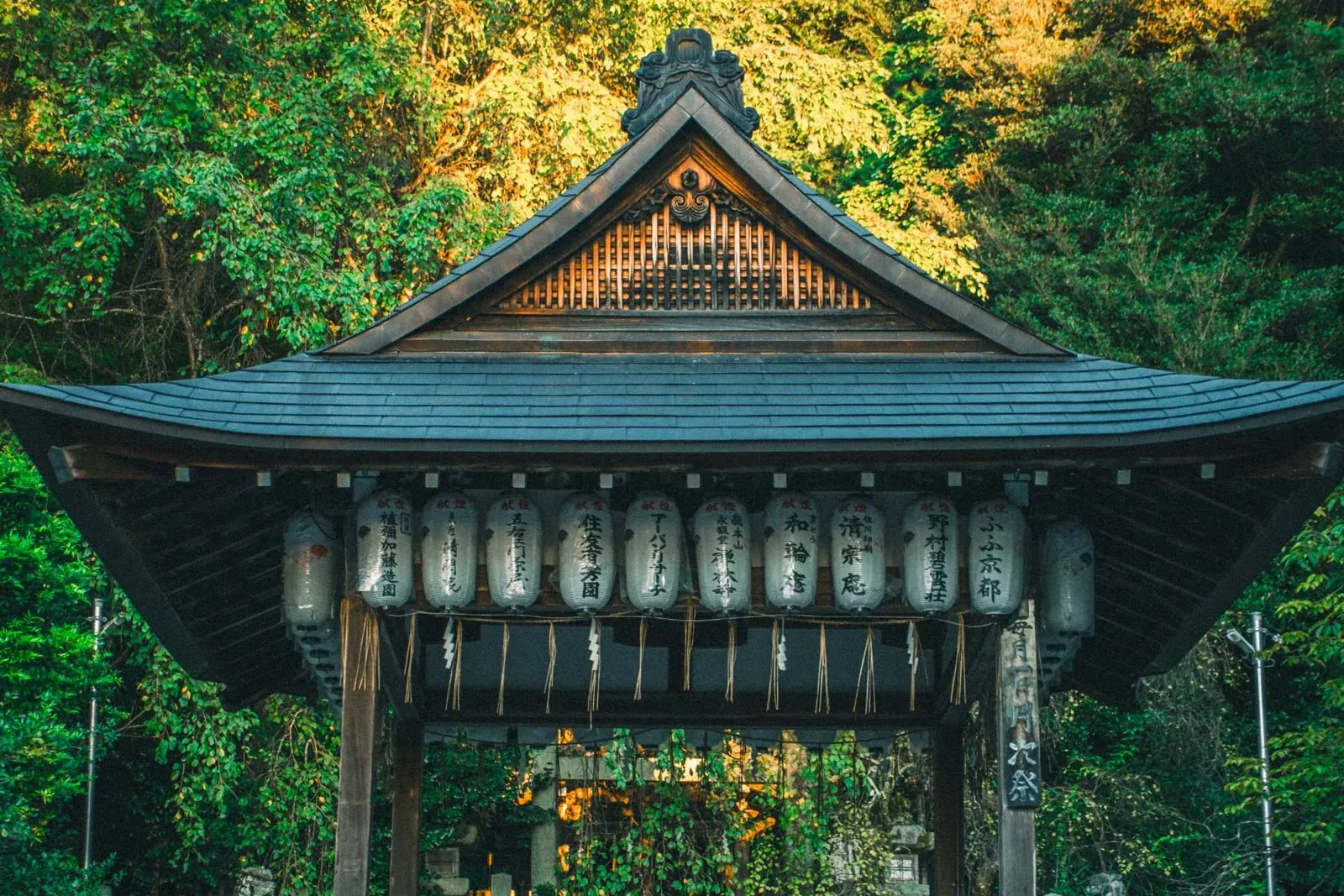
Ise Jingu: The Shrine That Is Rebuilt Every Twenty Years
For more than a thousand years, Japan's most sacred shrine has been dismantled and rebuilt in fresh cypress. What does it mean for a building to be both ancient and new?
Recent stories
All sections →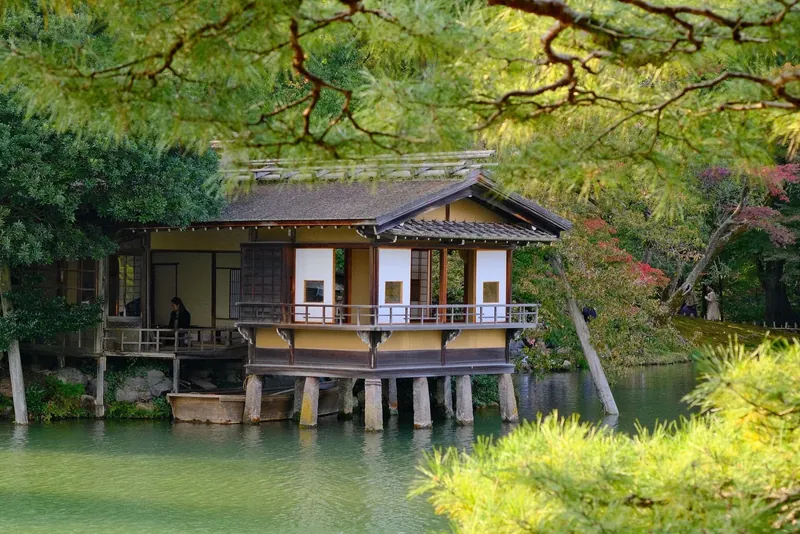
Katsura Imperial Villa and the Art of the Sukiya Style
A seventeenth-century princely retreat in Kyoto that taught twentieth-century modernists a lesson about restraint.
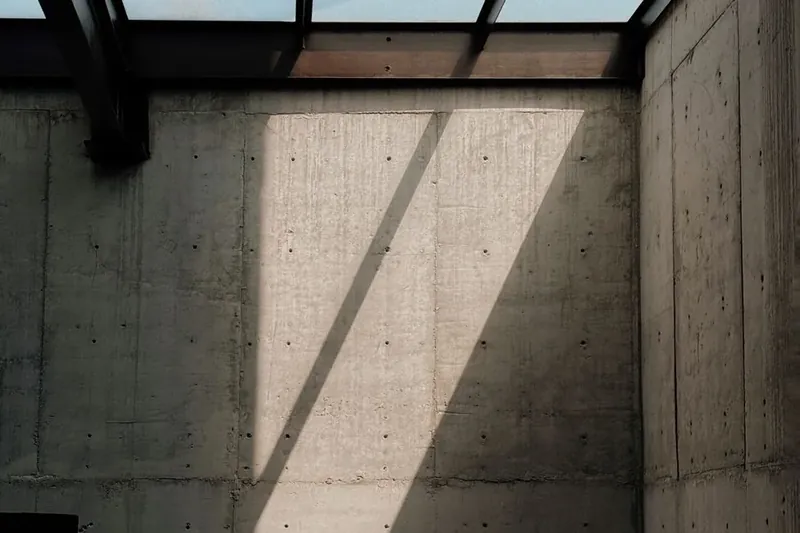
Church of the Light: How Tadao Ando Built with Shadow
A modest chapel in suburban Osaka turned a cross-shaped slit in a concrete wall into one of the most recognisable images in modern architecture.
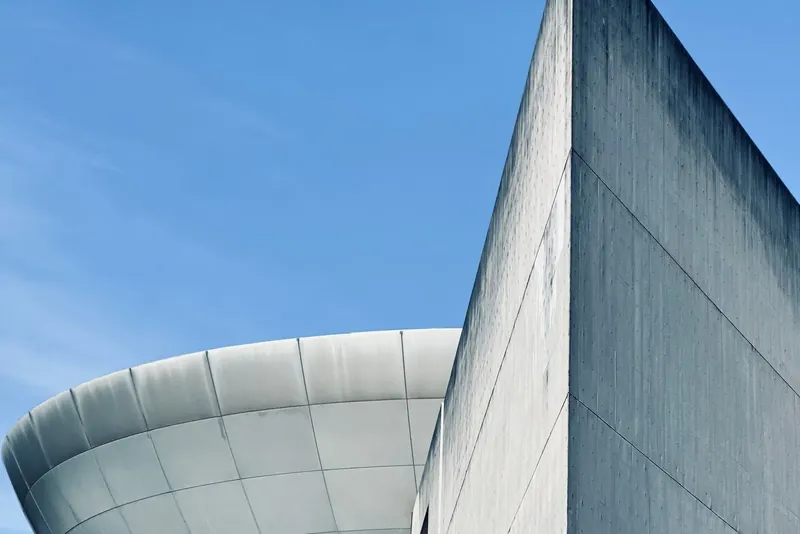
After Nakagin: What Metabolism Still Teaches Us
Kisho Kurokawa's capsule tower was demolished in 2022. Its ideas about growth, change and replaceable parts are more relevant than ever.
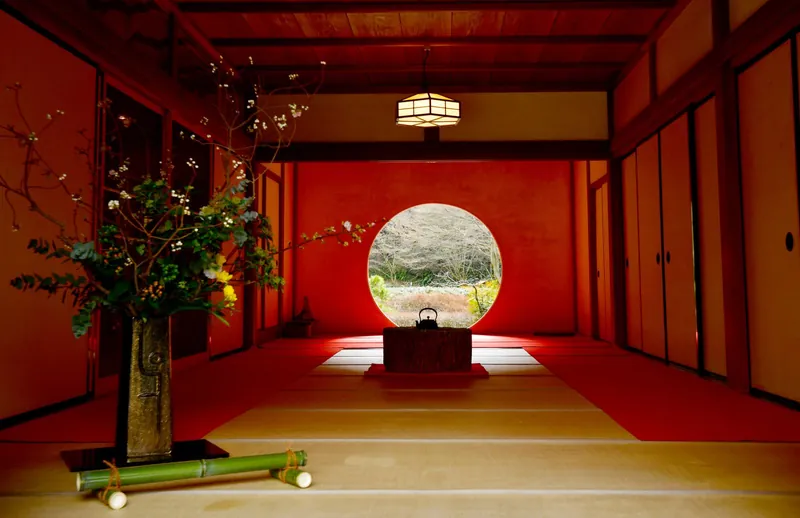
Engawa: The Beauty of the Space In Between
Neither inside nor outside, the wooden veranda of the Japanese house is a lesson in thresholds.
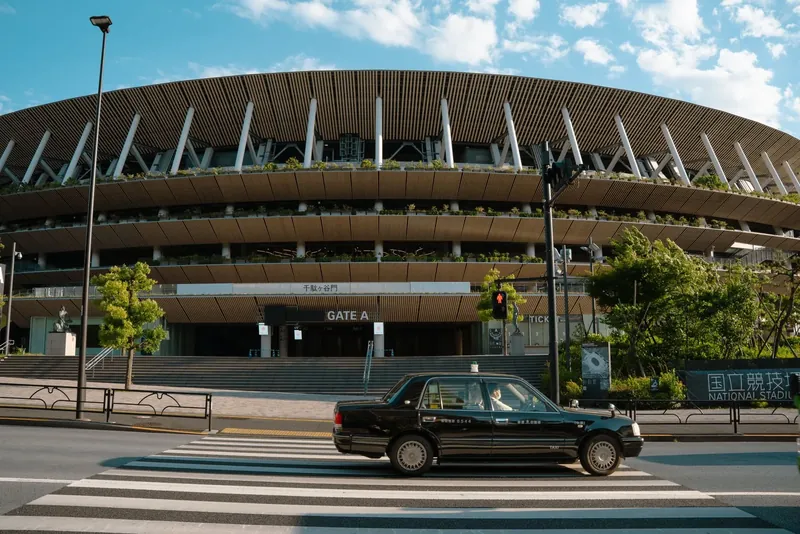
Kengo Kuma and the Return of Timber
From small village projects to Tokyo's National Stadium, Kuma has made wood a central material of contemporary Japanese architecture.
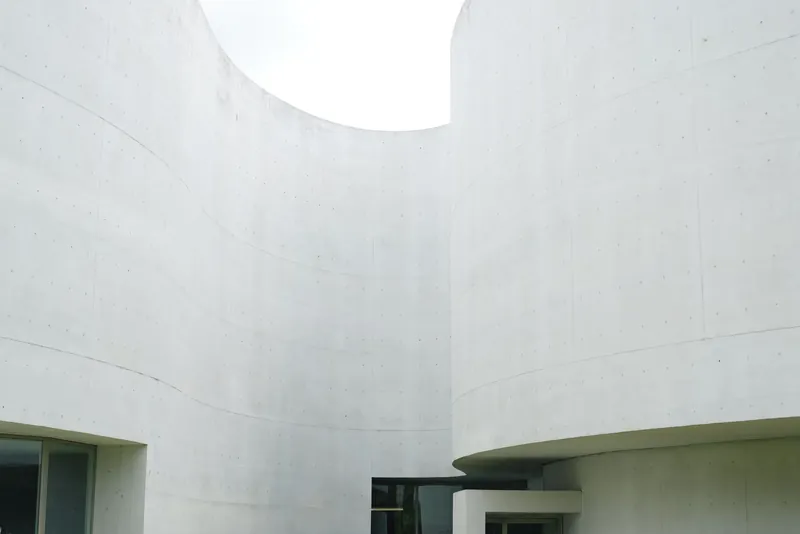
SANAA in Kanazawa: A Museum With No Back Door
The 21st Century Museum of Contemporary Art is a glass circle that welcomes the city in from every side.
In Japanese architecture, the space between things is never empty. It is where the building begins to breathe.The Quiet Harbor Path editors
A small glossary
More ideas →A meaningful interval in space or time; the pause that gives form its rhythm.
The wooden veranda that sits between the rooms of a house and its garden.
A refined, rustic style of building that grew from the tea ceremony.
Narrow timber townhouses that combined shop, home and garden.
Travel notes
More →
Ise Jingu: The Shrine That Is Rebuilt Every Twenty Years
For more than a thousand years, Japan's most sacred shrine has been dismantled and rebuilt in fresh cypress. What does it mean for a building to be both ancient and new?
Katsura Imperial Villa and the Art of the Sukiya Style
A seventeenth-century princely retreat in Kyoto that taught twentieth-century modernists a lesson about restraint.
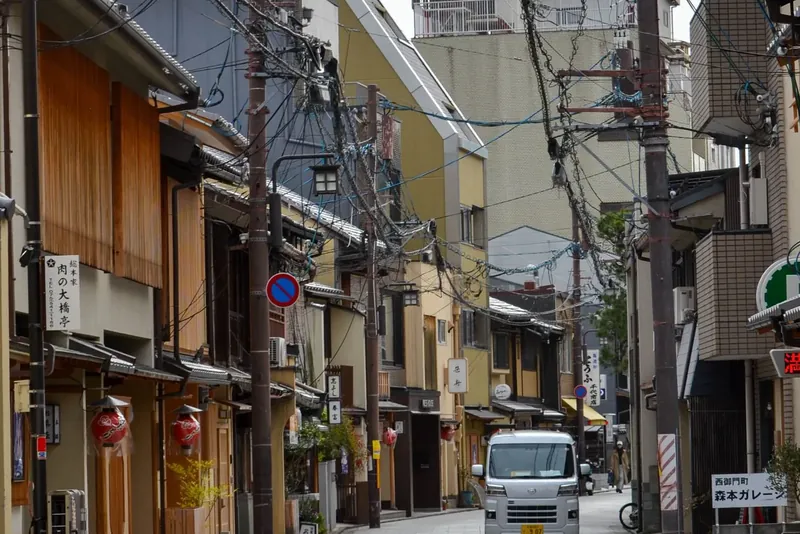
Reading a Kyoto Machiya: A Walker's Guide
The narrow wooden townhouses of Kyoto are full of clues. Here is how to read them from the street.